Os Meus Dois Dragões
Turning a personal story into a marketable children's book
- Client
- Os Meus Dois Dragões
- Services
- Author · Social media strategy · Content production · Launch marketing
- The book
- View at Atlantic Bookshop
The project
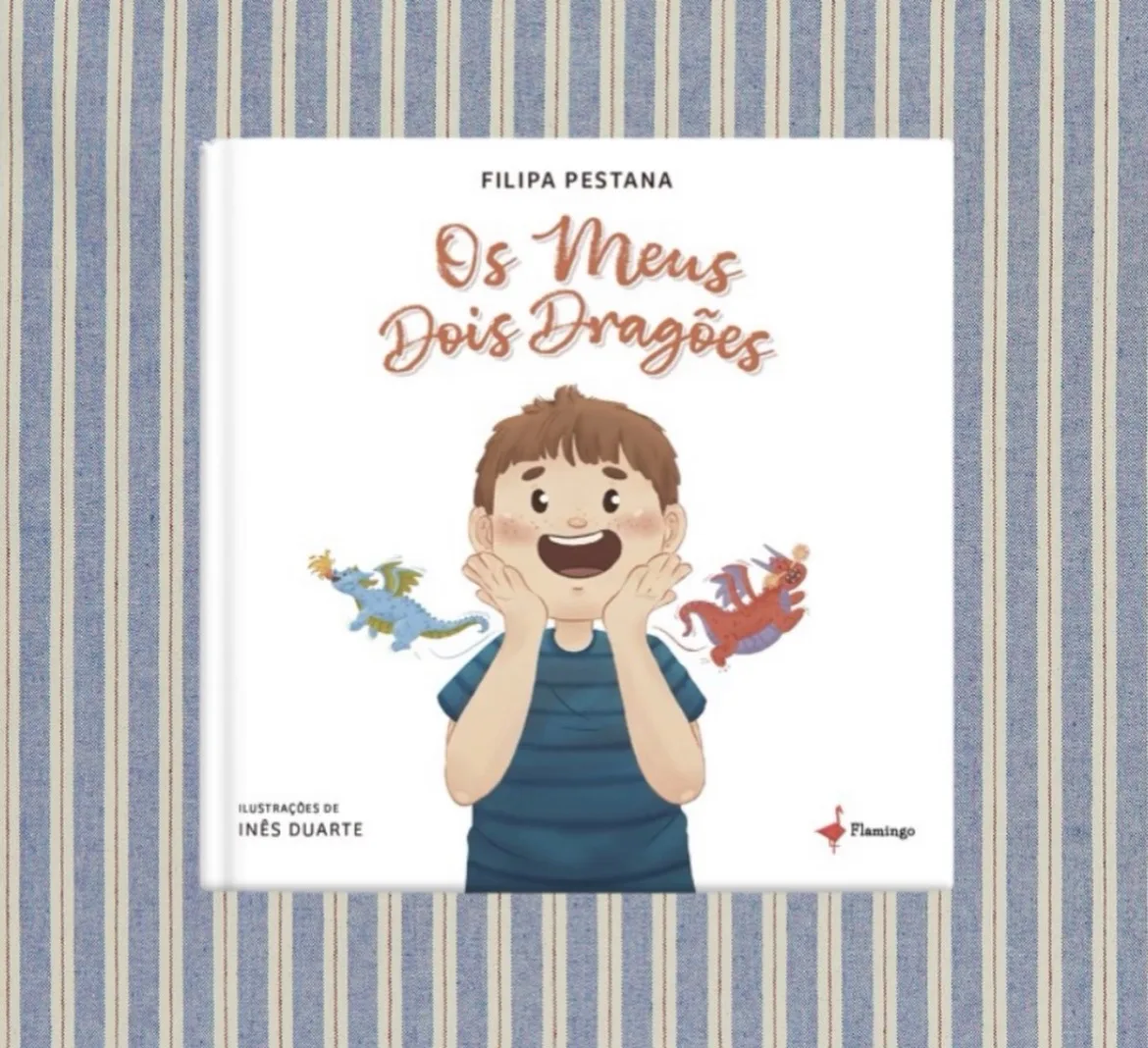
Os Meus Dois Dragões is my first children's book, a story about a bilingual boy growing up between two languages and cultures.
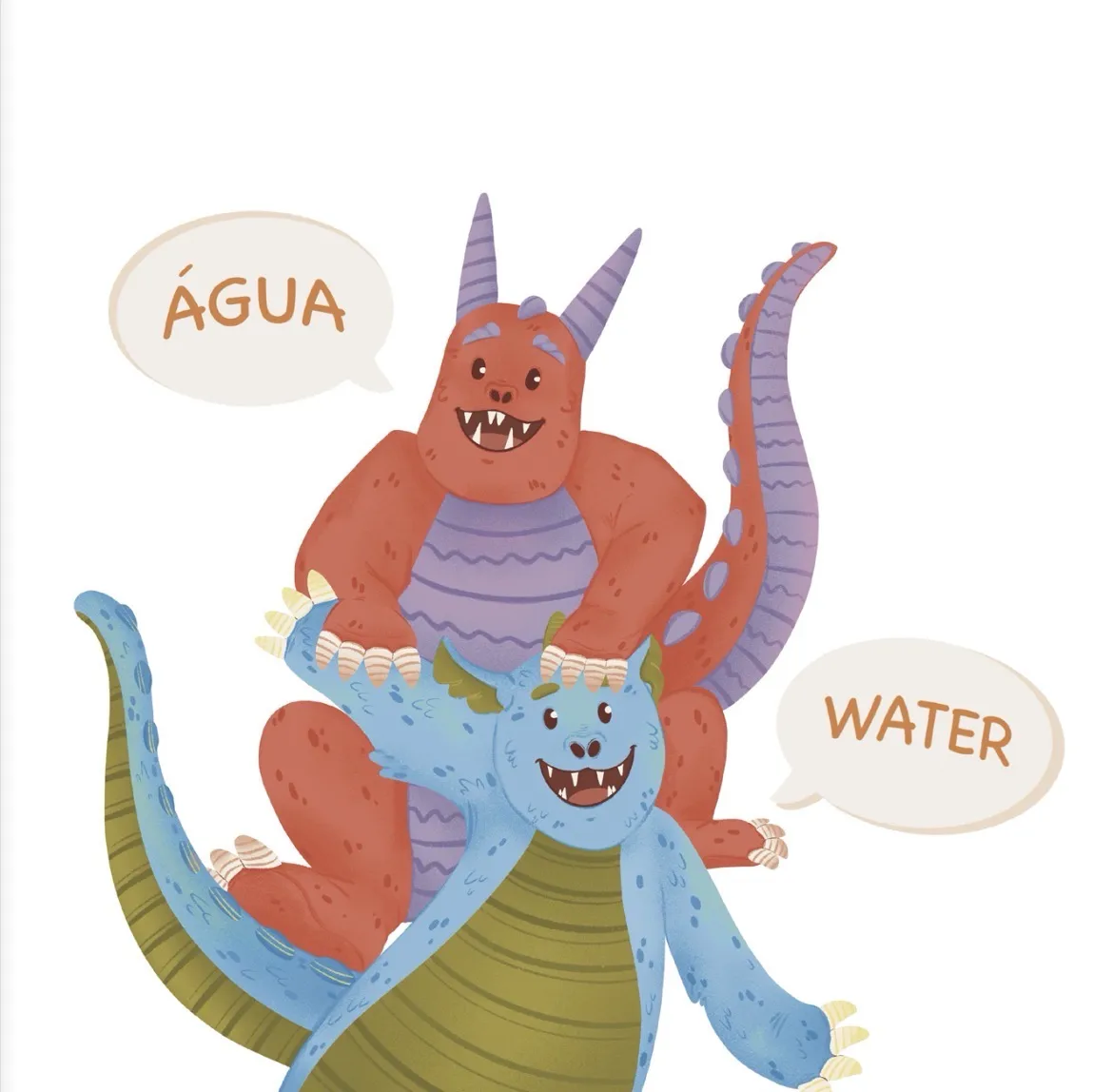
At the heart of the story are two dragons, each representing one of his languages. Rather than presenting bilingualism as something confusing or difficult, the story reframes it as something positive — a unique ability that connects different worlds. This became the central idea behind both the book and its marketing: two languages, two worlds, one superpower.
The concept gave the project a strong visual and emotional identity that could extend beyond the book itself.
The challenge
Os Meus Dois Dragões was developed through a hybrid publishing model. The publisher provides distribution and some marketing support, while I am responsible for building awareness, creating content and selling copies directly.
That meant approaching the launch not only as an author, but also as a marketer.
Rather than building a traditional campaign around a fixed strategy from the beginning, I treated the project as an opportunity to experiment — testing audiences, messages and content formats while the book was being developed and launched.
The goal was to answer a simple question: how do you turn a personal story into something an audience can recognise as their own?
Defining the audience
I started by looking beyond the obvious demographic of parents of bilingual children.
The core audience became parents raising bilingual or multicultural children who want their children's experiences reflected in the stories they read.
From there, I identified adjacent audiences: educators, gift buyers, relatives and adults who grew up between cultures themselves.
This shifted the positioning from simply a book about bilingualism to a broader story about identity, belonging and growing up between worlds.
That broader positioning also created more opportunities for content and conversation beyond the book itself.
Building the content
I treated content as an extension of the story rather than simply advertising the product. I developed four main content pillars:
- The story — characters, illustrations, themes and moments from the book.
- The conversation — questions and relatable topics around bilingualism, identity, parenting and growing up between cultures.
- Behind the book — the writing, illustration and publishing process.
- The author — my own experience and the personal motivation behind creating the book.
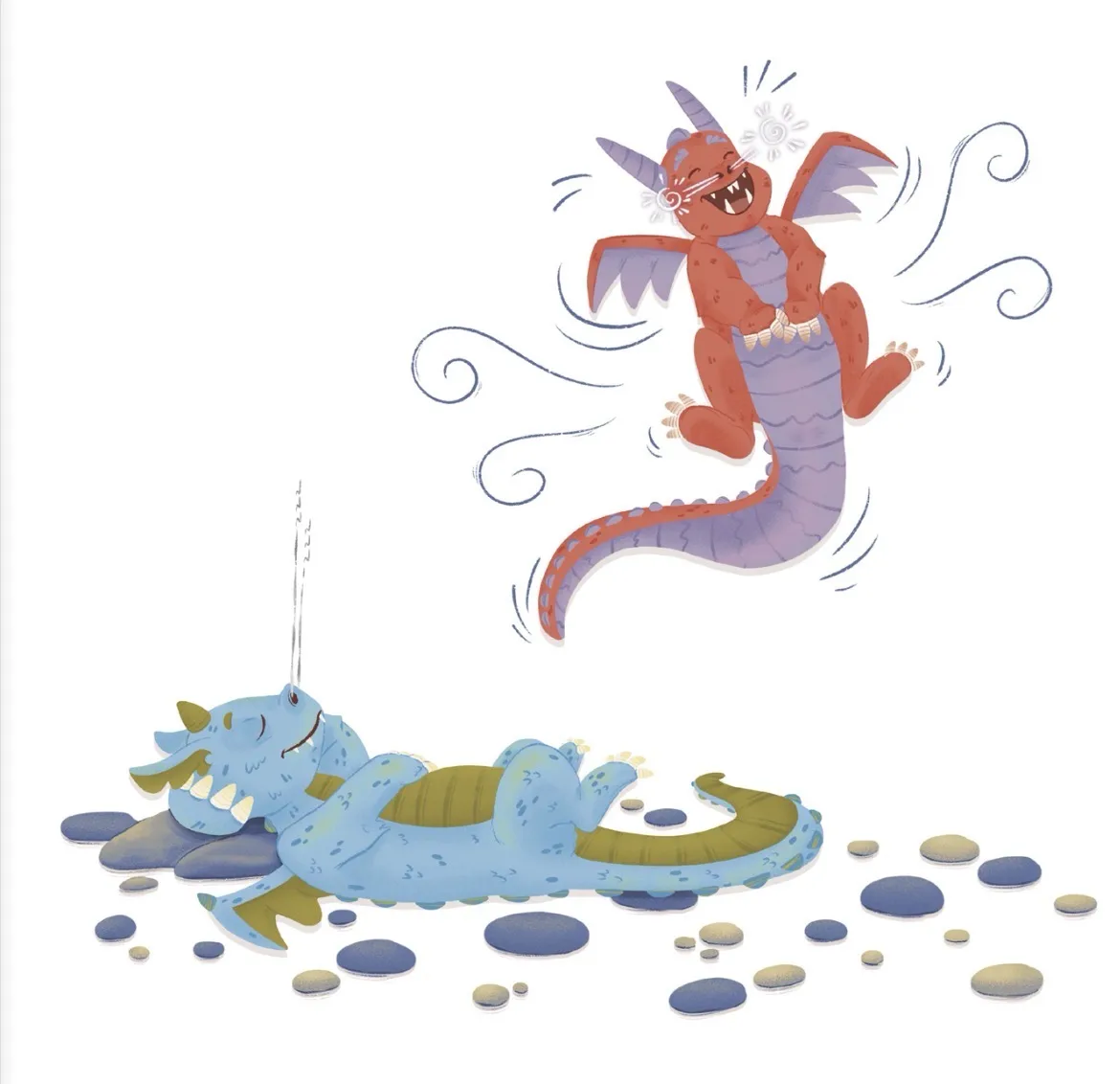
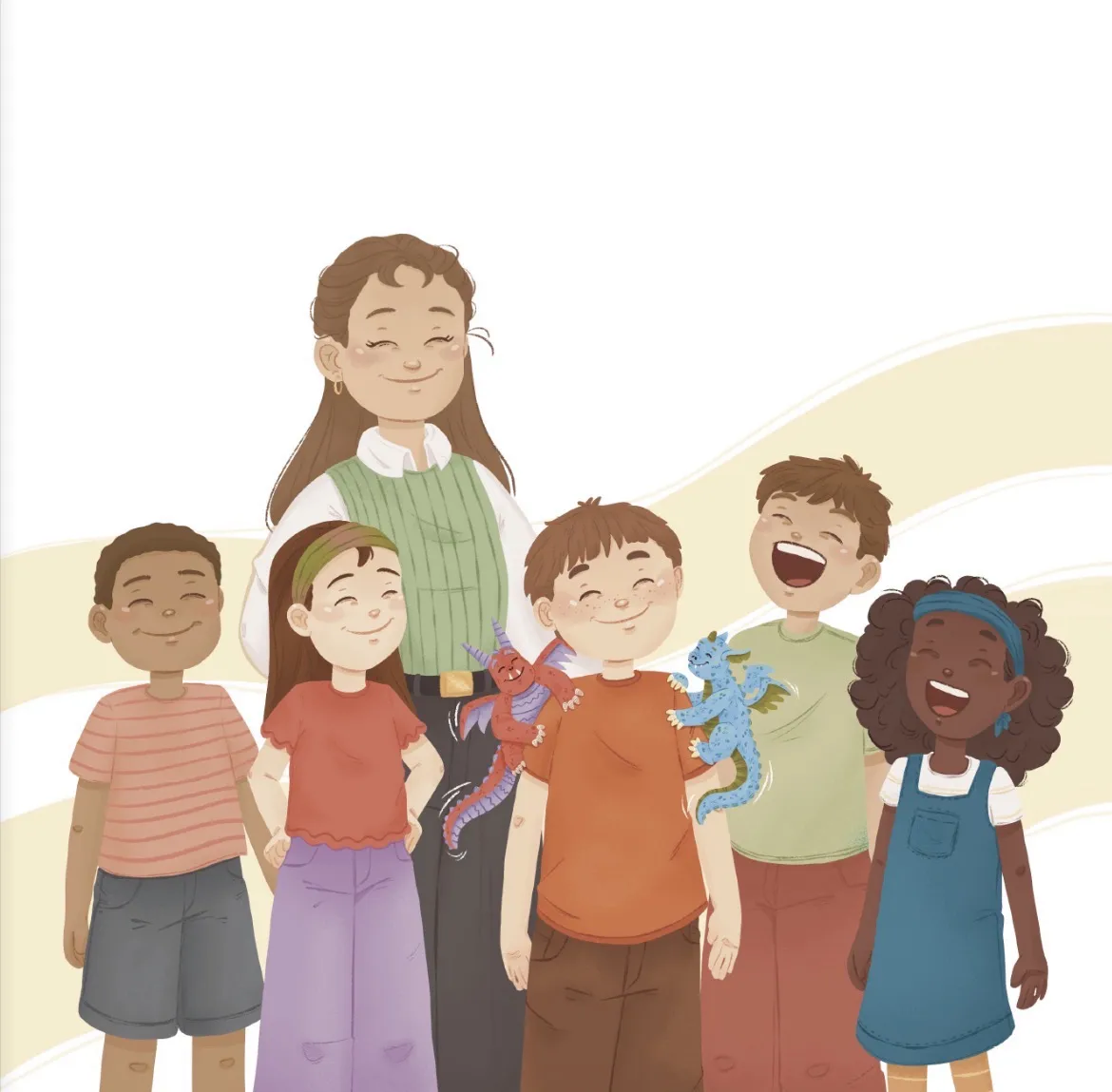
Because the project was experimental by design, these pillars also gave me a way to test what resonated. Did people connect more with the story itself? The experience of raising bilingual children? The visual world of the dragons? Or the personal journey behind the book?
Instead of assuming the answer, I used the content to find out.
From attention to sales
The hybrid publishing model made the final stage particularly hands-on. The publisher provides the infrastructure — distribution, retail presence and some marketing support — while I focus on creating demand and connecting people with the book.
That meant treating storytelling and sales as connected rather than separate activities.
Someone might first discover the book through social content, connect with the idea or the story, and then encounter it again through a bookstore, retailer or direct interaction.
Alongside my own content, the publisher produced a promotional video for the book as part of its marketing support.
What I learned
The project gave me the opportunity to take a product through the entire marketing journey: personal insight, audience, positioning, content, experimentation, sales.
What started as a personal story about growing up between languages became a published product with a defined audience, a clear creative concept and a marketing system built around it.
This project gave me a practical opportunity to explore how storytelling, positioning and experimentation can work together to take an idea from personal experience to a real product with a real audience.